
What is Virtualization?
In today’s tech-driven world, virtualization has revolutionized the way we manage computing resources. But what exactly is virtualization, and why is it crucial for VPS (Virtual Private Server) businesses?
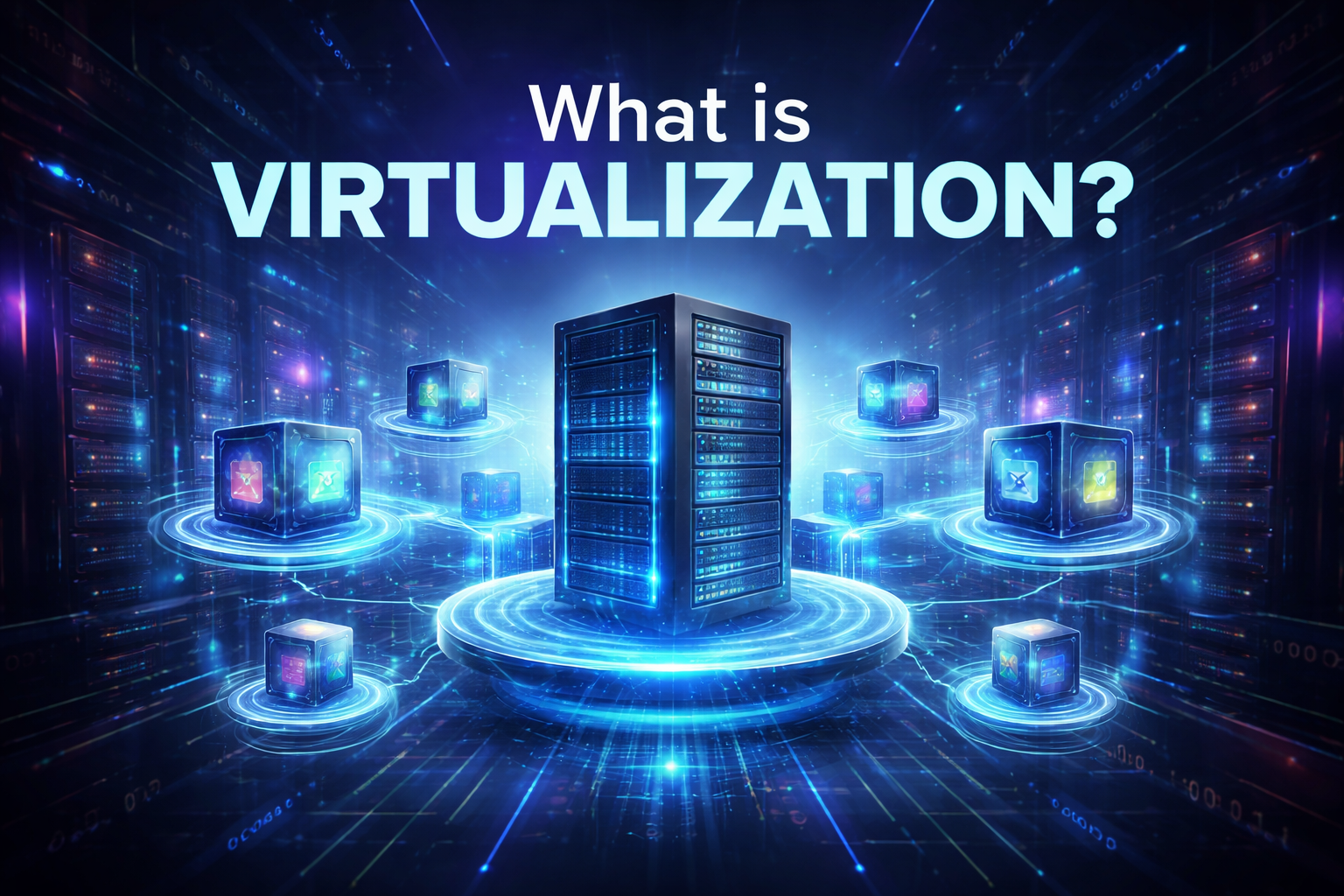
What Is Virtualization and Why Is It Important for VPS Businesses?
In today’s tech-driven world, virtualization has revolutionized the way we manage computing resources. But what exactly is virtualization, and why is it crucial for VPS (Virtual Private Server) businesses? Whether you're managing an LXC container-based hosting platform or utilizing KVM (Kernel-based Virtual Machine) technology, understanding virtualization is key to optimizing performance and reducing costs in your hosting infrastructure.
What is Virtualization?
Virtualization is a process that allows you to create multiple virtual environments on a single physical machine. These virtual environments (or virtual machines) can run their own operating systems and applications, independent of each other. Think of it like having multiple “mini-computers” running within one physical server.
At the core of virtualization, you have hypervisors—software that enables the creation and management of virtual machines (VMs). There are two primary types of hypervisors:
- Type 1 Hypervisor (Bare-metal): This runs directly on the physical hardware, allowing it to manage resources more efficiently.
- Type 2 Hypervisor (Hosted): This runs on top of an existing operating system, which adds a layer of flexibility.
Why Is Virtualization Important for VPS Businesses?
- Resource Optimization
Virtualization allows multiple VMs to run on a single server, efficiently using CPU, memory, and storage resources. This not only helps reduce hardware costs but also maximizes the potential of your infrastructure. - Isolation and Security
One of the significant advantages of virtualization is isolation. Each virtual machine operates in its own isolated environment, meaning that issues in one VM (like security breaches or performance problems) do not affect the others. This is particularly beneficial for VPS hosting, where customers need secure, isolated environments. - Scalability
Virtualization makes scaling easier. Whether you're running LXC containers or KVM virtual machines, you can quickly add more VMs or containers to meet growing demands without needing new physical hardware. This scalability is essential for businesses that expect rapid growth or fluctuating workloads. - Cost-Efficiency
By consolidating multiple virtual machines onto a single physical server, virtualization dramatically lowers hardware expenses. In the world of VPS hosting, this cost-saving benefit can make a big difference in competitive pricing.
LXC vs. KVM Virtualization for VPS Hosting
When it comes to VPS hosting, LXC (Linux Containers) and KVM (Kernel-based Virtual Machines) are two of the most popular virtualization technologies. But what makes each unique?
- LXC Containers: Unlike traditional virtual machines, LXC is a lightweight virtualization technology that uses the host OS kernel to run multiple isolated Linux containers. LXC is perfect for running multiple Linux-based applications in a resource-efficient and fast manner. For businesses focused on providing cost-effective cloud hosting, LXC is a game-changer.
- KVM Virtualization: KVM offers full hardware-level virtualization, meaning each virtual machine gets its own dedicated resources, including CPU, memory, and storage. KVM is ideal for businesses that require more control over their virtual environments or need to support different operating systems, including Linux and Windows.
Why Choose Virtualization for Your VPS Business?
Virtualization technologies like LXC and KVM empower VPS businesses to provide customers with highly efficient, isolated, and scalable hosting environments. Whether you're focused on optimizing resource usage with LXC or offering dedicated resources with KVM, virtualization enables businesses to run a more effective and cost-efficient VPS platform.
If you’re ready to take your VPS hosting business to the next level, check out ezvpshost.com to learn more about how LXC and KVM virtualization can benefit your customers and improve your hosting platform.
Conclusion
Virtualization has become the backbone of modern VPS hosting. With its ability to maximize hardware resources, improve security, and offer scalability, virtualization is a technology that every VPS business should embrace. Whether you use LXC for lightweight containers or KVM for full virtualization, the ability to offer flexible, secure, and cost-efficient hosting solutions will help your business stay ahead of the competition.
Ready to get started with a cutting-edge virtualization platform? Visit ezvpshost.com today!